Analyzing Overtaking Zones at Monaco
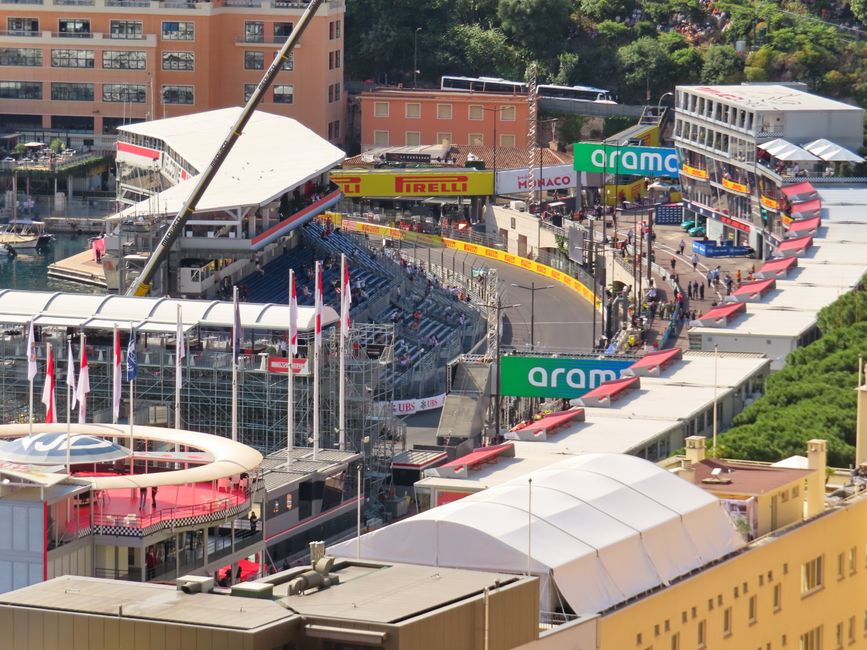
The Monaco circuit presents one of the most demanding environments for overtaking in Formula 1. With its narrow track width, tight corners, and unforgiving barriers, drivers must evaluate every passing opportunity with precision. Unlike other circuits where multiple lines or wide run-off areas provide room for error, Monaco rewards patience and calculated decision-making. The sheer difficulty of completing a pass here means that many attempts never materialize, and those that do often hinge on small margins or external factors.
This article examines each of the traditional overtaking zones around the circuit, focusing on the specific risks and contextual rewards that drivers and teams consider. The analysis is based on historical patterns and the physical characteristics of the track itself. By understanding the challenges associated with each corner, readers can gain a deeper appreciation for the strategic thinking that goes into race craft on this iconic street circuit.
The Nature of Overtaking in Monaco
Overtaking in Monaco is fundamentally different from most other circuits because of the confined space and lack of alternative lines. The track width in many sections is barely enough for two cars side by side, and any deviation from the ideal line often results in contact with the barriers or loss of momentum. As a result, overtaking typically occurs only when the defending driver makes a mistake, loses traction, or is compromised by traffic or lapped cars.
Another important factor is the short straights between corners. Acceleration zones are limited, which reduces the effectiveness of slipstreaming or power advantage. This means that even if a driver gains a significant speed advantage out of a corner, the next braking zone arrives quickly, leaving little time to complete a pass. The emphasis therefore shifts to corner entry speed and braking precision rather than straight-line performance. Teams and drivers analyze these dynamics in advance, weighing the probability of success against the risk of car damage or a penalty.
Turn 1 – Sainte Dévote
Sainte Dévote is widely regarded as the most realistic overtaking opportunity on the circuit. After a short sprint from the start line or pit exit, drivers approach a tight right-hander that requires a late and aggressive braking point. The inside line offers a chance to out-brake a rival, provided that the attacking driver maintains control and does not overshoot the apex. However, the run-off area is minimal, and any lock-up or misjudgment can send both cars into the barrier.
The reward for a successful pass at Sainte Dévote is significant: the attacker gains the inside line for the uphill section leading to Turn 2 (Beau Rivage) and Turn 3 (Massenet). This can set up a chain of position changes if the overtaken driver struggles to recover rhythm. Yet the risk of contact is high, and stewards often penalize moves deemed too ambitious. In practice, overtakes here tend to occur in the opening laps or during restarts, when tire temperatures are more variable and drivers are still settling into race pace.
The Nouvelle Chicane Complex
The Nouvelle Chicane, located after the tunnel exit, is a medium-speed left-right combination that has produced occasional overtakes. The key factor is the approach speed from the tunnel: drivers carry significant momentum downhill, and the braking zone for the left-hander is one of the few areas where late braking can be attempted without immediate wall contact. If the defending driver takes a defensive line on the left, the attacker can try to place the car on the inside for the right-hand element.
However, the chicane is extremely narrow, and any contact during the direction change often leads to a blocked track or a crash. The reward is limited because the following straight (toward the harbor section) is short, meaning that a successful pass may not yield a lasting advantage if the defending driver can stay close through the next few corners. As a result, most drivers treat this zone as a last-resort opportunity, preferring to wait for a safer moment later in the lap.
Portier and the Swimming Pool Section
Portier is a slow left-hander that leads into the tunnel entrance. It is one of the tightest corners on the circuit, and overtaking here is extremely rare. The corner radius forces drivers to slow to nearly a walking pace, leaving almost no room for two cars to negotiate the apex. Any attempt at a pass would require the defending driver to be significantly compromised—for example, by a slow exit from the previous corner or by a loss of traction while avoiding a lapped car.
The Swimming Pool section, comprising a sequence of chicanes along the harbor, offers slightly more possibility but still very limited room. The long right-hander leading to the swimming pool entry can be taken at moderate speed, and a driver who manages a better exit can draw alongside before the chicane. Yet the chicane itself is designed to be taken in one smooth motion, and any attempt to occupy the inside line disrupts the flow. Overtakes here are typically only seen when the leading driver makes a clear error, such as running wide or locking a wheel.
Rascasse and Anthony Noghes
The final two corners of the lap, Rascasse and Anthony Noghes, have historically provided a handful of overtakes under specific conditions. Rascasse is a tight right-hander where drivers often use a late apex to set up the exit for the short straight toward the final corner. If the car ahead exits Rascasse slowly, the trailing driver can get a better run and attempt a pass into Anthony Noghes, a left-right chicane that leads to the start-finish straight.
However, the distance between Rascasse and Anthony Noghes is very short, so the trailing driver must already be very close to attempt a move. Additionally, the chicane is narrow and requires precise steering input. A successful pass here often results from a combination of factors: a slight mistake by the leading driver, a difference in tire grip, or a lapped car creating a gap. The reward is enormous because the defender would then be stuck behind the attacker for the next lap, but the risk of a collision that ends the race for both is equally high.
Strategic Considerations Beyond Track Position
Given the extreme difficulty of on-track overtaking, many position changes in Monaco occur through strategic elements that are independent of driver skill. Pit stop timing, undercuts, and overcuts can create track position advantages that are difficult to reverse. Safety car periods also play a major role: a well-timed pit stop under a yellow flag can allow a driver to jump several competitors without needing to pass them on the circuit.
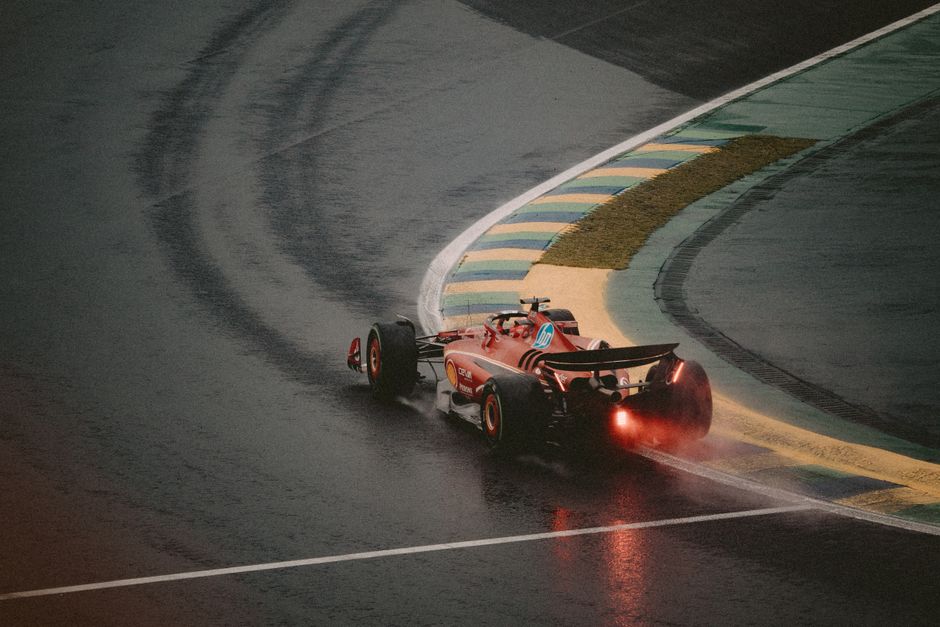
Weather conditions add another layer of uncertainty. A sudden rain shower or changing grip levels can open up overtaking opportunities that would not exist in dry conditions. In such situations, drivers must adapt their braking points and line choices continuously, which increases the likelihood of errors. However, these opportunities remain highly context-dependent and cannot be reliably predicted. The analysis of overtaking zones at Monaco thus requires an understanding of both the physical layout and the broader strategic environment in which races unfold.